Northern Uganda from an eagle’s-eye view.
Northern Uganda is one of the four regions of Uganda and is home to approximately 5.1 million people. The region is predominantly inhabited by Luo-speaking communities, mainly the Acholi and Lango, and includes districts such as Gulu, Amuru, Nwoya, Pader, Kitgum, Lamwo, Lira, Apac and Oyam. Gulu town serves as the social, economic and administrative centre of the region and plays a key role in service delivery, including healthcare, for the surrounding districts.
For over two decades, from the late 1980s until 2006, Northern Uganda was deeply affected by a prolonged armed conflict. The war had a profound impact on social structures, livelihoods, education and public services, including healthcare. Although peace has been restored for nearly two decades, the long-term consequences of the conflict are still visible today. Many communities continue to face challenges related to poverty, mental health, limited access to quality healthcare and under-resourced health systems, leaving the region behind compared to other parts of the country.
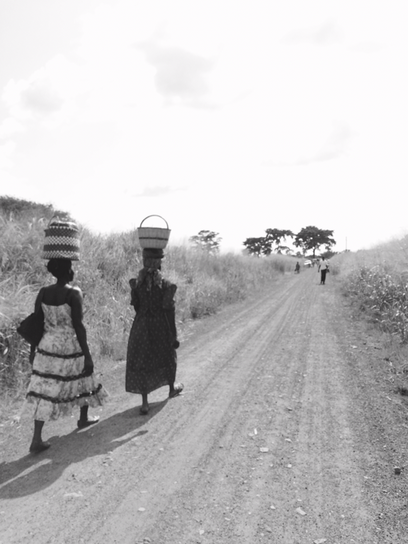
One of the most significant legacies of the conflict is its impact on the population, particularly the psychological wellbeing of individuals and the functioning of the healthcare system. Many families lost relatives, often from the working-age population, resulting in a high number of female-headed and child-headed households. While important efforts have been made to address trauma through counselling, mental health services and community-based interventions, the need for accessible, high-quality and sustainable healthcare services remains substantial. Strengthening healthcare delivery therefore continues to be a critical priority for the region.
Beyond its history of conflict, Northern Uganda is also characterised by a rich cultural heritage and strong community values. Acholi and Lango societies place great importance on family, collective responsibility and mutual support. Traditional practices, storytelling, music and dance play an important role in community life and social cohesion. These cultural foundations continue to shape how communities understand health, healing and care, and they offer a strong basis for recovery and long-term development. Any effort to strengthen healthcare in the region must therefore build on local knowledge, respect cultural contexts and work in close partnership with communities themselves.
 NUV-HOP